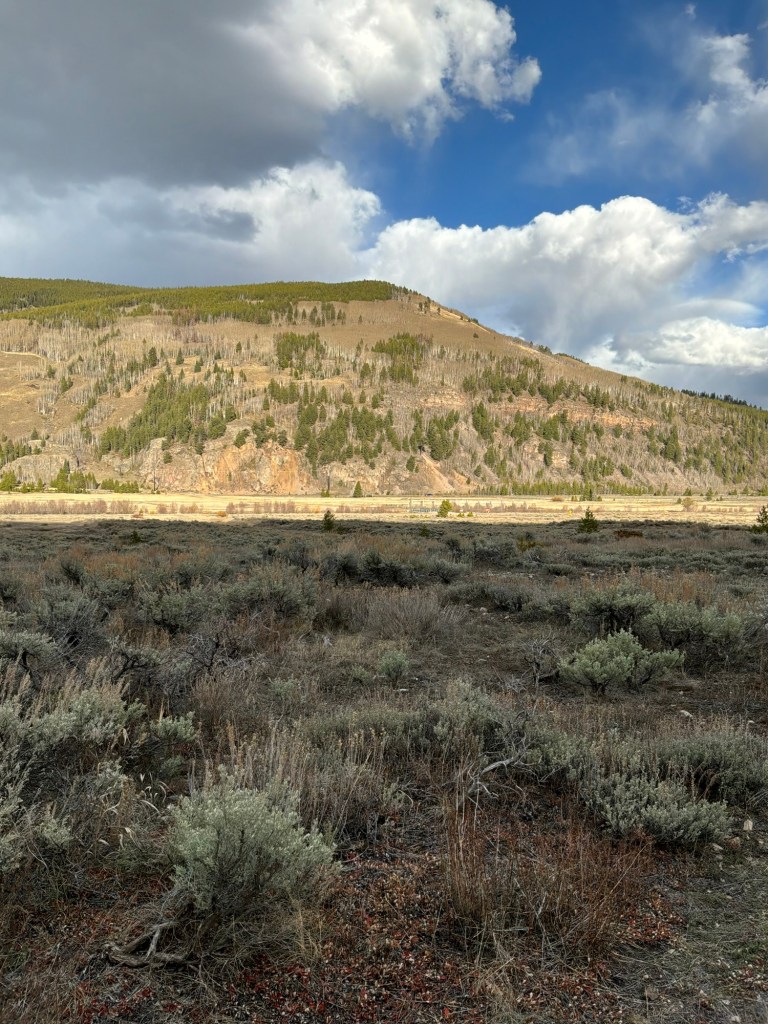
Located in the Pando Valley between Minturn and Leadville, Camp Hale was once the ultimate training facility for military forces in the mountains. Named for Brigadier General Irving Hale, it was chosen for its location of the perfect mix of mountains and snow, this training facility saw lots of soldiers in its short time. Specialty of the camp was Mountain and Winter warfare training. It was Established in 1942 and the altitude of the camp is 9,200 feet. Today it is Camp Hale Continental Divide National Monument.
The returning soldiers that visit the area are said to be the reason for Vail, Aspen and Arapahoe Basin ski areas. Many think of the camp as the modern birthplace of the ski industry for Colorado. Many sites were considered for Camp Hale, but this place won the contest on meeting all of the criteria they deemed necessary. It was remote yet accessible and plans began to form.
Before Pearl Harbor, three East Coast skiers, Charles Minot Dole, Roger Langley and Roland Palmedo were worried about how the USA would handle war. They were specifically worried about how the US Army could fight and survive in Europe’s alpine regions. At first the cries were warded off by officials, but as the war began to bloom, their fears began to be seen by others. In 1941 the Army authorized recruitment of the first soldiers to begin training. Those trainees became known as the 87th Mountain Infantry Regiment. First they trained on Mountain Rainier in Washington as the construction began on Camp Hale.
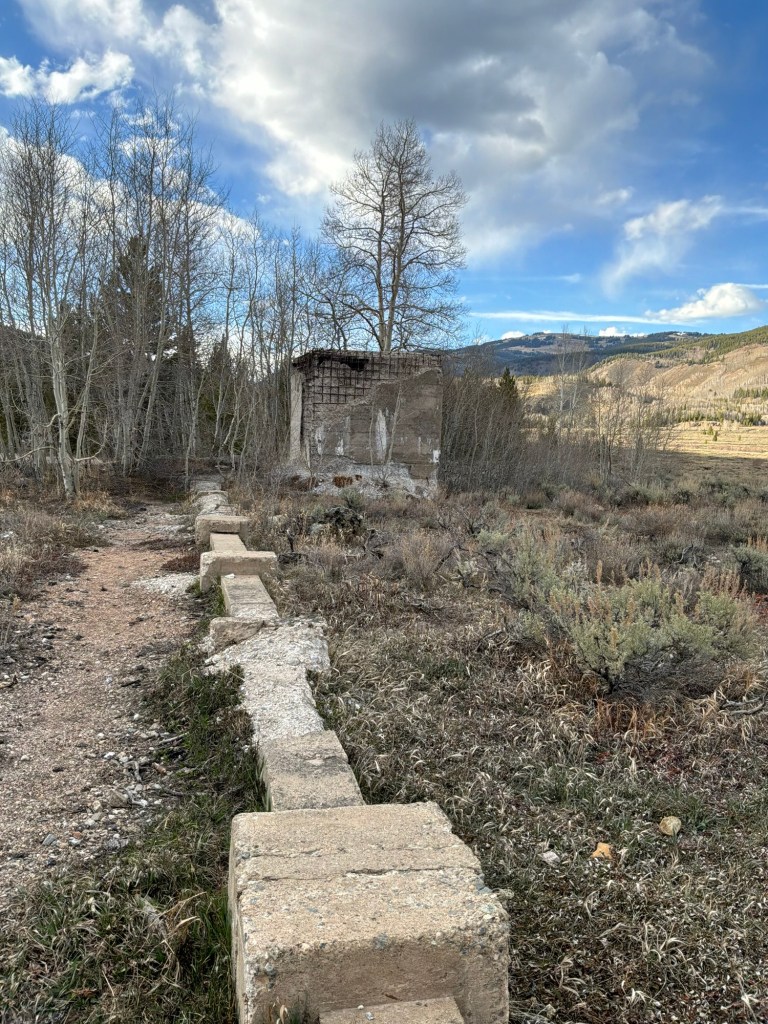
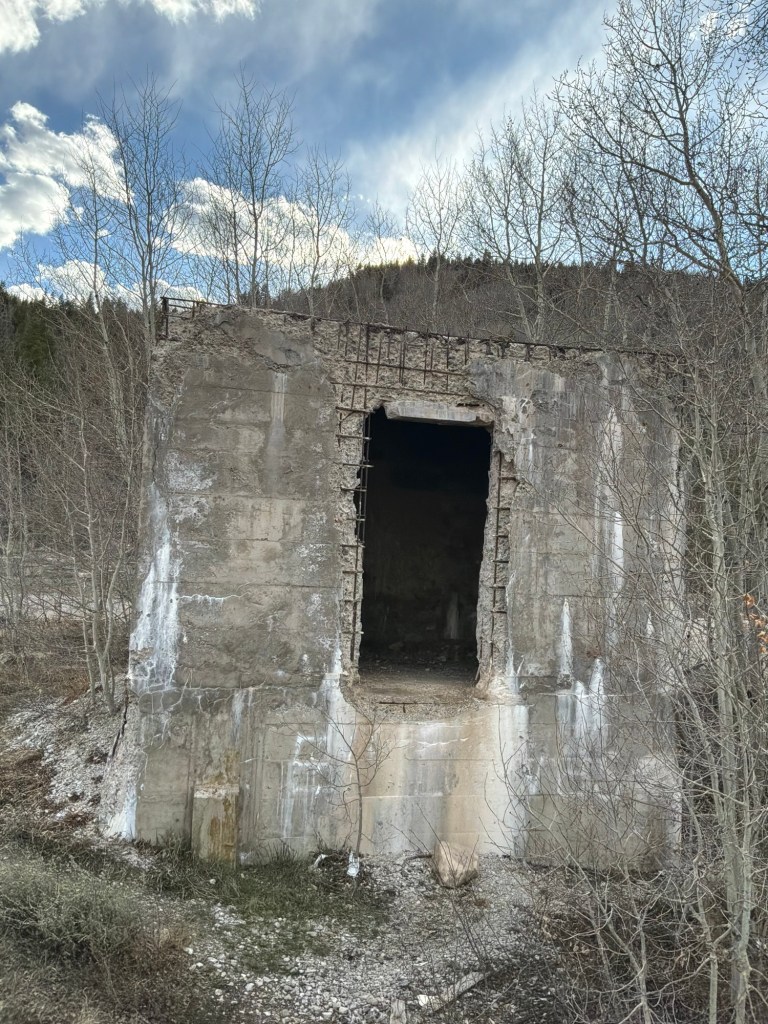
Later over 14,000 men including famous ski soldiers trained here before being shipped to Italy. The ground was immense in size and featured over 1,000 buildings. Satellite maps are a great way to really get a feel for the size and the use of the land. Millions of cubic yards of soil were brought in to make the base level. The Eagle River was rerouted through the camp to cut a straight line in the middle of the main camp and maximize land space. Today there are a few buildings left and informational signs throughout the area that covers over 53 thousand acres.
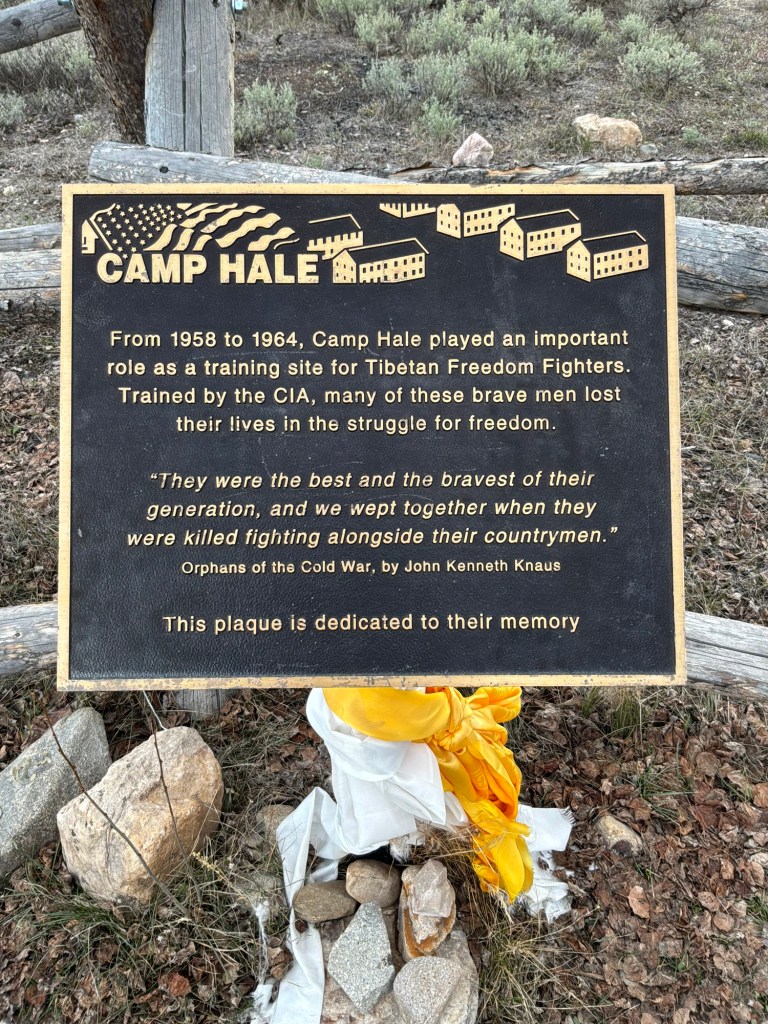
In the 50s and 60s the camp served as a CIA training unit for Tibetan freedom fighters. The camp was eventually abandoned and torn down due to Asbestos Hazard.
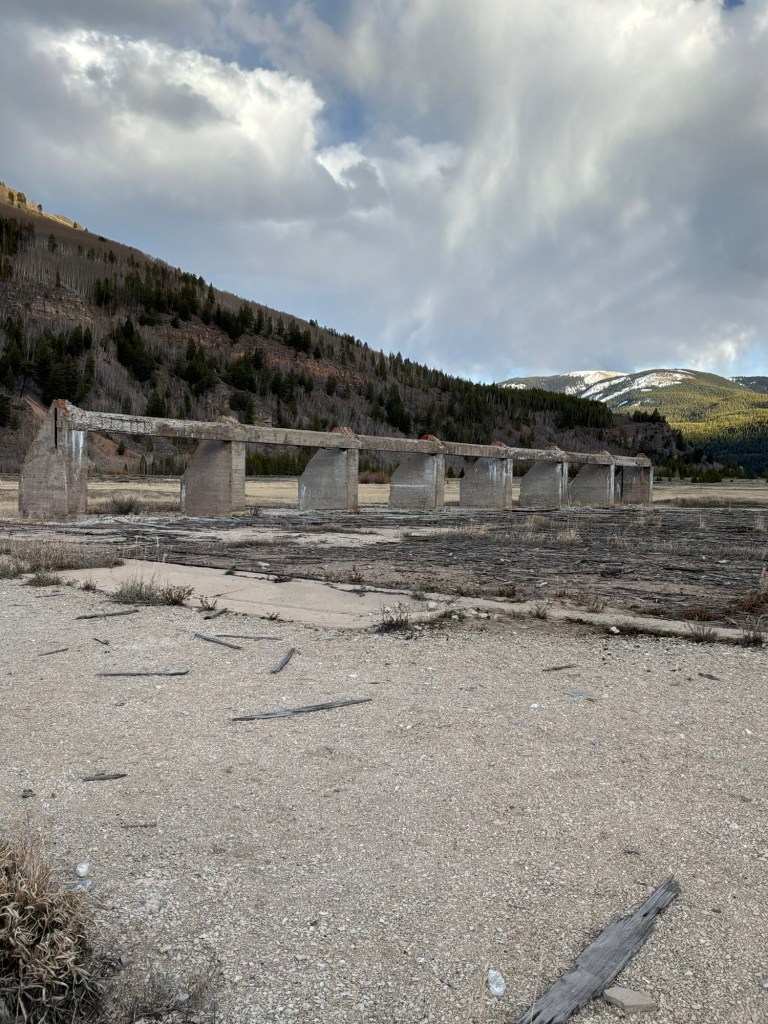
It is now part of the White River National Forest. Recreational trails are located in the basin and stretching out into the hills surround the main camp. The road is still closed for the winter as of my visit on April 7th (likely until May 1st), but you can walk to the Training Building ruins. Notice that the River running through near the training ruins is nearly perfectly straight. The land is reserved for snowmobiles during the winter months. Rarely do I offer links, but I will put a link to the ColoradoHistory article on the camp. There is so much more to see and learn from the history on Camp Hale.
 Not Forgotten Colorado
Leave a comment